Run summary
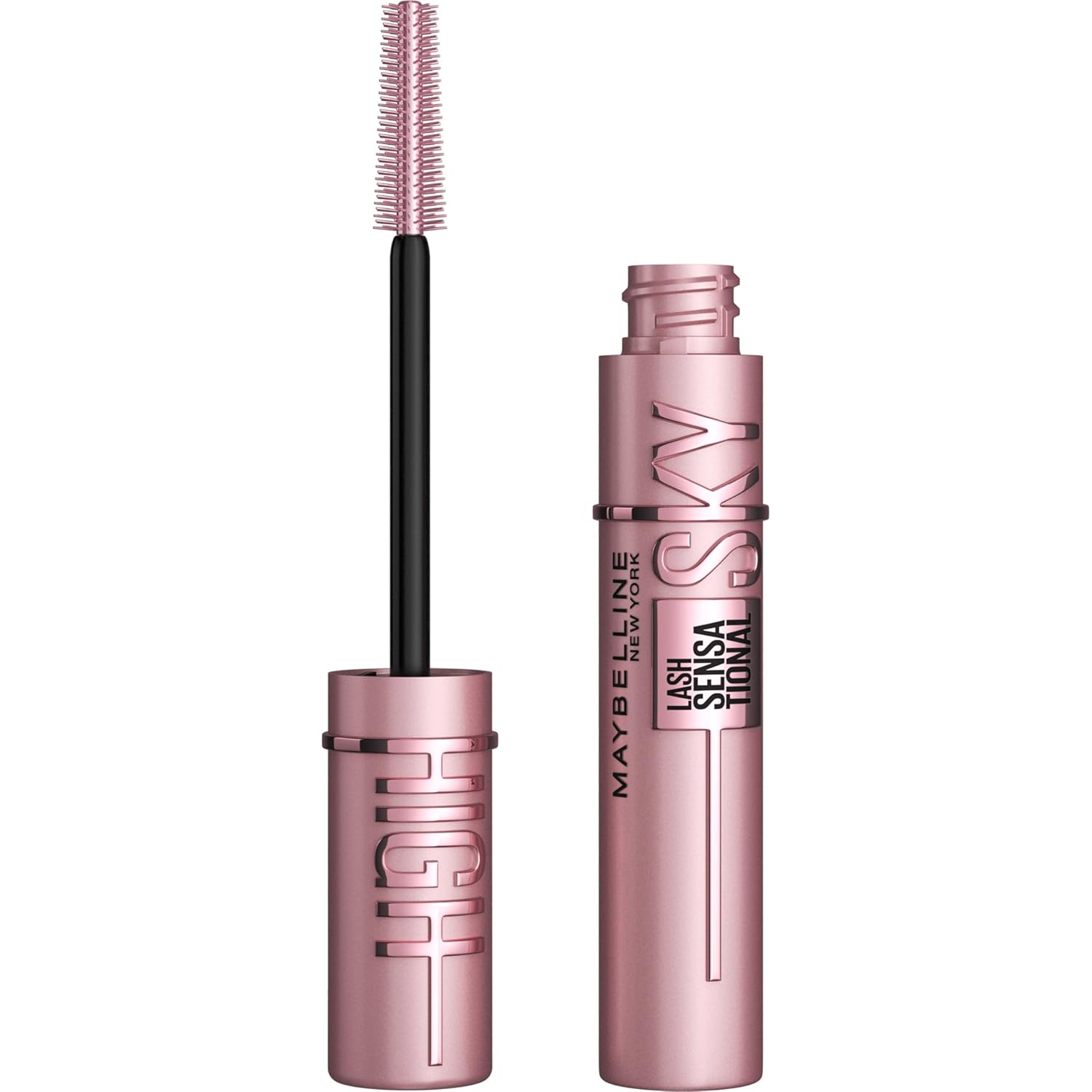
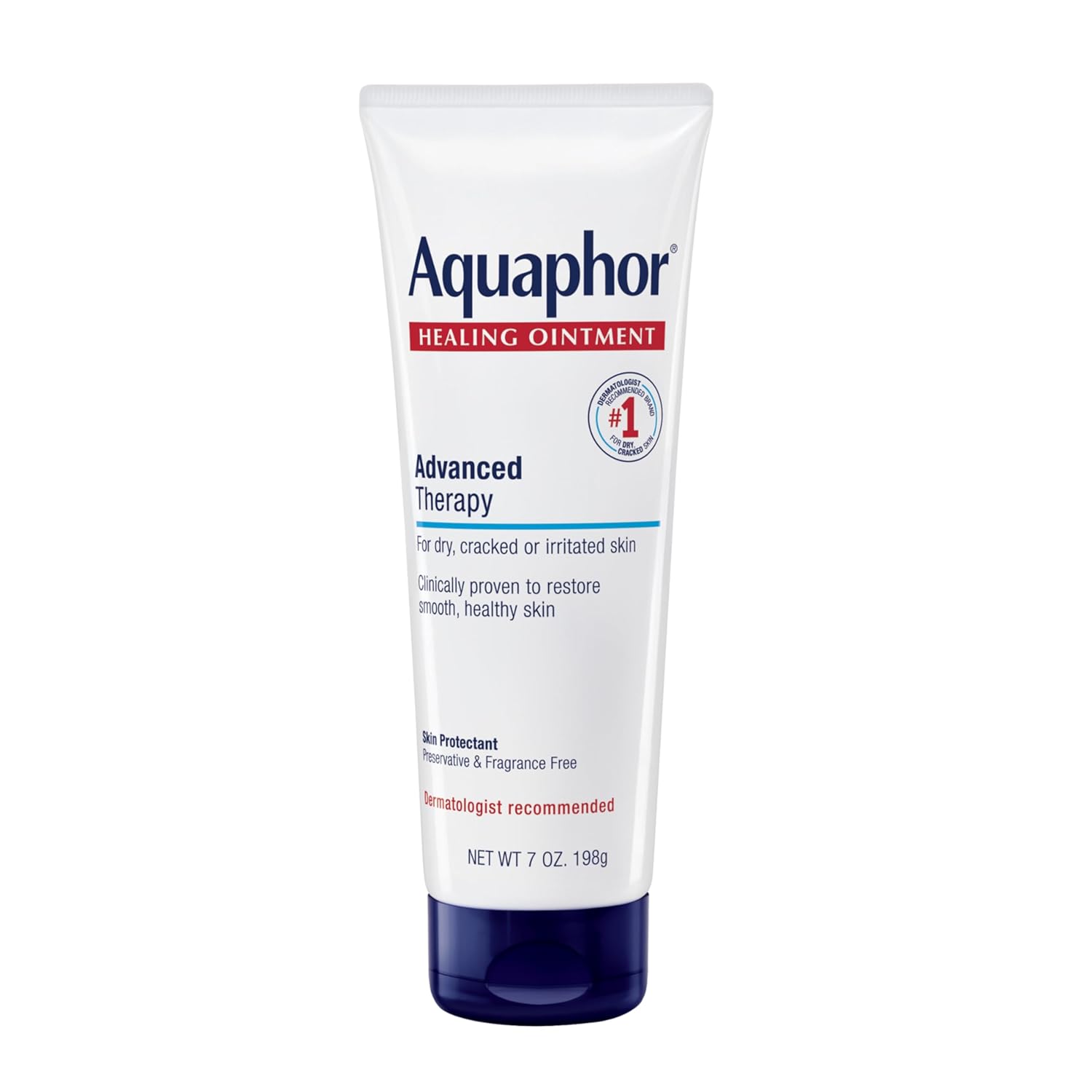
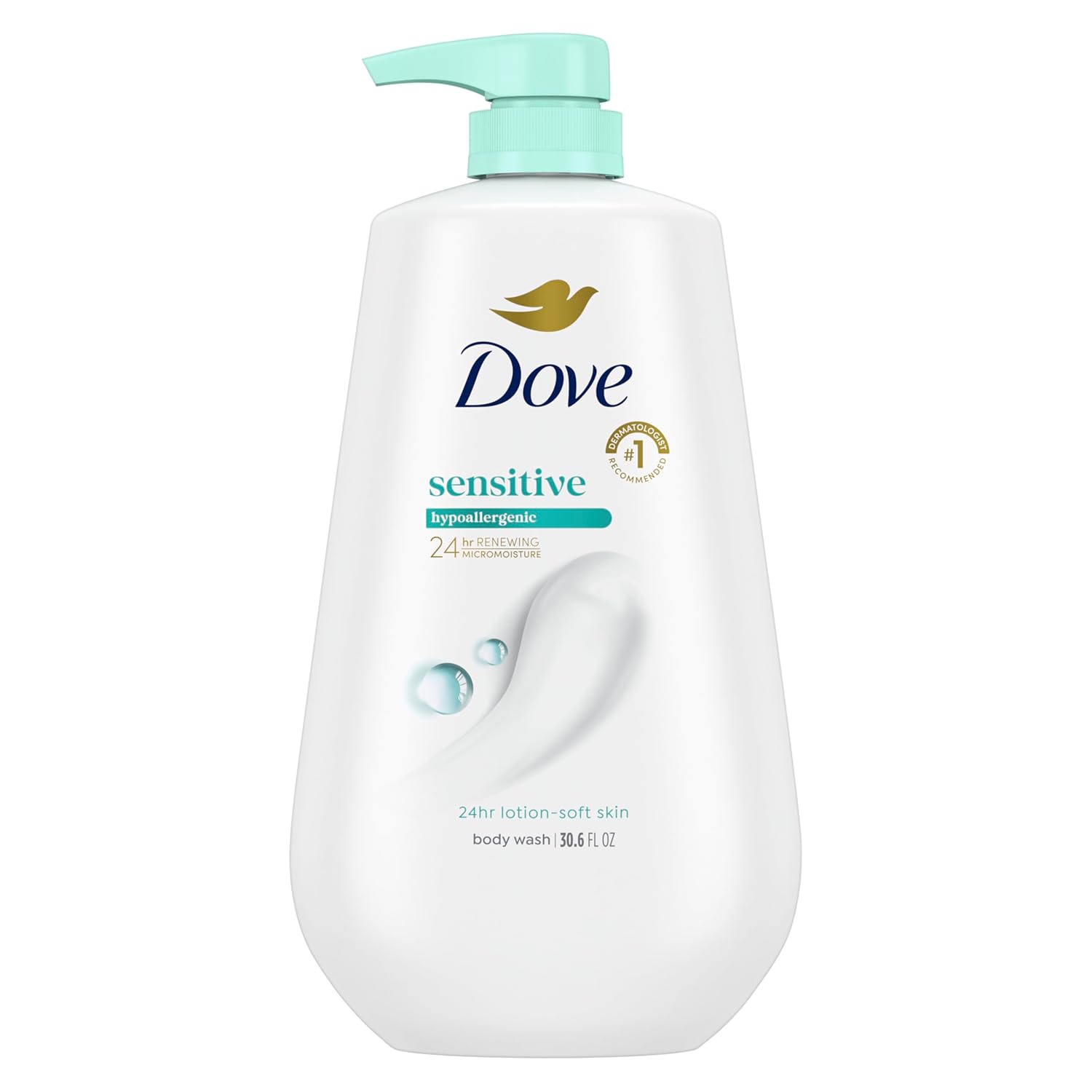
Job c327fd01 used a public Amazon search URL as input, full_product mode, target_count 100 and completed with 100 delivered records, 0 failed records and 500 Data Units spent.
The run started at 2026-06-10 07:16:14 UTC and finished at 2026-06-10 07:21:37 UTC, which is about five minutes and twenty-three seconds for a full-product export workflow.
What this proves
The important metric is not request count. The useful metric is delivered product rows that can be inspected, exported and reused by an operator or API workflow.
This proof run is suitable for outreach because it gives a buyer a concrete expectation: paste an Amazon search or category URL, wait for the job, inspect preview rows and download structured data.
How to evaluate your own workflow
Send one Amazon search URL, category URL, product URL list or ASIN list and compare the delivered rows against the fields your team needs.
For agencies and data teams, the first pilot should measure delivered rows, failed rows, export shape, first-row latency and the time needed to turn the output into a client-ready report.
Evaluation and rollout notes
A useful Amazon data page should help a buyer decide what to do next, not only define a keyword. When evaluating this workflow, start from the business question: discover products, enrich ASINs, monitor competitors, audit a catalog, prepare a spreadsheet or feed an internal data pipeline. The right ParseShelf mode and export format depend on that question.
For early research, keep the first run small and easy to inspect. Use one keyword, one category, one competitor set or one ASIN list, then compare delivered rows against the fields your team actually needs. Price, currency, rating, review count, stock status, source URL and product URL are usually the minimum useful fields. Product details, bullets, variants, images and seller signals become important when the workflow moves from discovery to enrichment.
For production, treat every Amazon job as an auditable dataset. Store the job ID, input source, mode, run date and export format next to the downstream report. This makes it possible for developers and operators to debug the same result from the dashboard, the API status endpoint and the downloaded files.
When a page links to docs, examples, samples and pricing, the visitor can move from research to implementation without guessing which product surface to use. That path is important for both conversion and search intent satisfaction.
This is also how the page supports organic search quality. The content is tied to a concrete product workflow, includes examples, links to related resources and exposes the same schema that users see after signup. That creates a stronger page than a generic scraper keyword page with no data shape, no implementation detail and no clear next action.